

Nrf1 coordinates proteasome activity and autophagy to maintain cardiac proteostasis
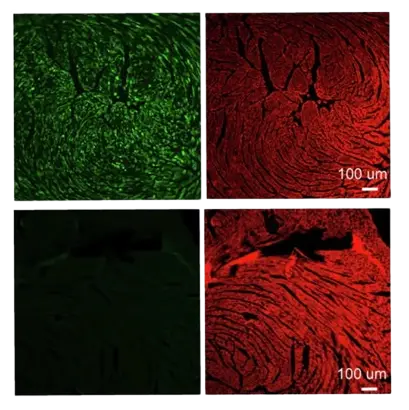
Proteolytic stress frequently arises during disease and aging, particularly in long-lived, post-mitotic cells such as cardiomyocytes. To maintain proteostasis, cardiomyocytes depend on coordinated protein quality control pathways, including the ubiquitin-proteasome system and autophagy. Mechanisms that activate these pathways hold therapeutic potential for heart disease. Here, we demonstrate that transient activation of nuclear factor erythroid 2–like 1 (Nfe2l1, also known as Nrf1), a transcriptional regulator of proteasome activity, in cardiomyocytes during ischemia/reperfusion injury improves cardiac function. In addition to regulating the proteasome, we identify a critical role for Nrf1 in activating autophagy, which is essential for its cardioprotective effects. Through multi-omics analyses, we define both transcriptional and post-transcriptional functions of Nrf1 that underlie its cardioprotective activity. Loss-of-function studies in mice demonstrate that Nrf1, but not its homolog Nrf2, is required for autophagy and baseline cardiac function. Together, our findings establish a dual function of Nrf1 in promoting cardiac proteostasis by regulating both proteasomal and autophagic protein quality control pathways. Activating Nrf1 thus offers a therapeutic strategy for treating ischemic heart disease.
Biochemical Activity of 17 Cancer-Associated Variants of DNA Polymerase Kappa Predicted by Electrostatic Properties
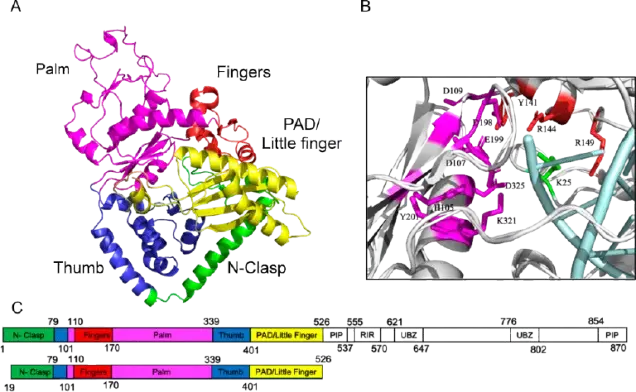
We investigated how cancer-associated mutations affect the activity of human DNA polymerase kappa, an enzyme involved in DNA damage bypass and chemotherapy response. Using machine learning–based structural predictions combined with bioinformatic tools, we identified variants likely to disrupt catalytic function. We then experimentally characterized 17 variants and found several with significantly reduced enzymatic activity. This study highlights how integrated computational and biochemical approaches can efficiently prioritize functionally impactful mutations from large genomic datasets.
Functional annotation of haloacid dehalogenase superfamily structural genomics proteins
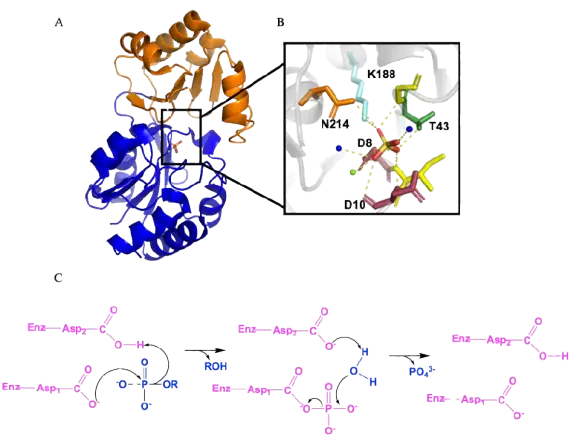
Haloacid dehalogenases (HAD) belong to a large and functionally diverse enzyme superfamily, many of whose members remain poorly characterized. In this study, we combined computational predictions based on chemical and electrostatic properties with direct biochemical assays to determine the functions of several structural genomics proteins within the HAD superfamily. We successfully predicted and experimentally validated five previously uncharacterized proteins, identifying one as a dehalogenase and four as sugar phosphatases with varying substrate specificities. This work demonstrates how integrated computational and experimental approaches can accelerate functional annotation of structurally resolved but biologically undefined proteins
Edge effects and distribution of prey forage resourcesinfluence how an apex predator utilizes Sri Lanka’s largestprotected area
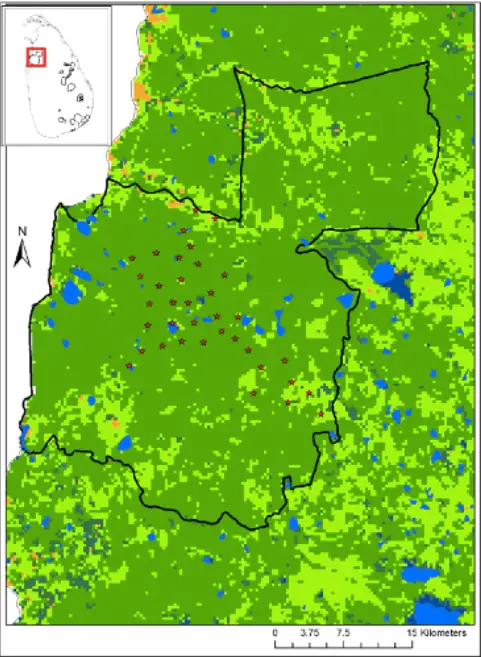
Apex carnivores play a vital role in ecosystem function, yet their populations are declining worldwide. In Sri Lanka, the endangered endemic leopard (Panthera pardus kotiya) serves as the top predator, but fine-scale patterns of habitat use remain poorly understood. Using camera traps and spatially explicit capture-recapture methods in Wilpattu National Park, we estimated leopard density and analyzed factors influencing habitat selection. Our findings reveal high core-area densities, avoidance of park boundaries due to human disturbance, and a preference for prey-associated resources over areas of highest prey abundance, providing key insights for protected area management and conservation planning.